
MEDIA - NEWS
MEDIA - NEWS
BRAZILIAN JIU JITSU
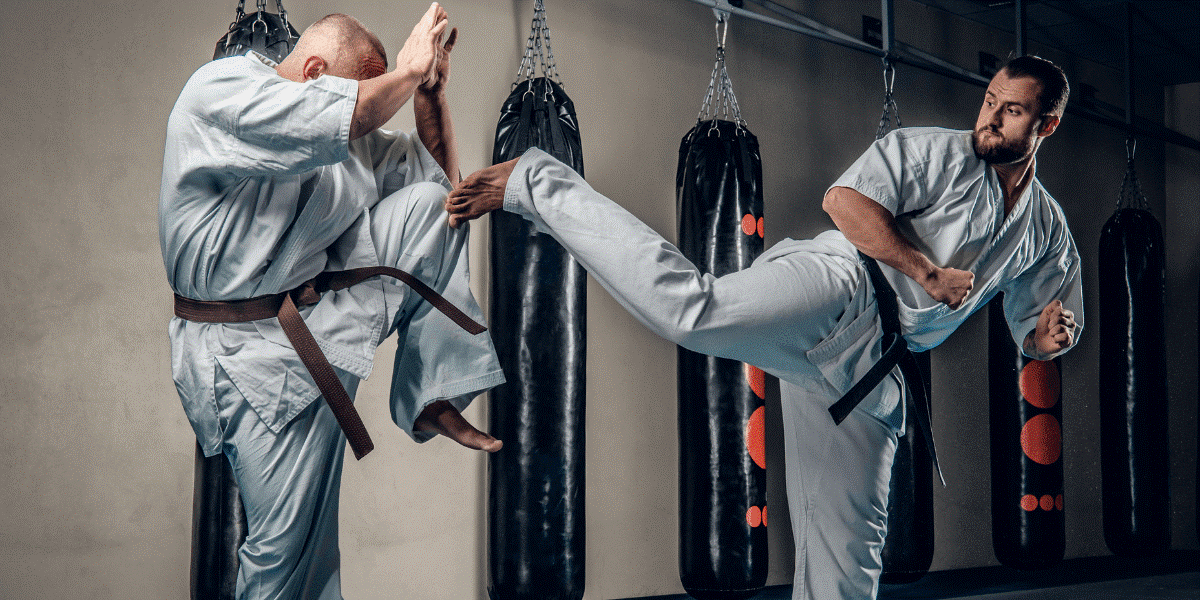
Brazilian Jiu-Jitsu, commonly known as BJJ, is a ground-based martial art and combat sport that focuses on grappling, takedowns, and submission holds. It was developed in Brazil, rooted in the teachings of Japanese Judo and adapted over decades into its own distinct and highly effective system. Today, it is practiced by millions of people around the world, from competitive fighters and military personnel to everyday people looking to get fit, build confidence, and learn practical self-defense. If you have been curious about BJJ but are not sure where to start, this guide covers everything you need to know before stepping onto the mat for the first time. What Is the Philosophy Behind Brazilian Jiu-Jitsu ? The philosophy is straightforward: a smaller, well-trained practitioner can neutralize a larger, stronger opponent through proper leverage and technique. That principle has made BJJ one of the most widely respected martial arts in existence. Unlike striking-based arts such as boxing or Muay Thai, BJJ prioritizes controlling an opponent on the ground and using technique, not brute strength, to apply joint locks or choke holds that force a submission. The Roots of BJJ: Where Did It Come From? BJJ traces back to early 20th-century Japan. Mitsuyo Maeda, a Japanese Judoka and ground-fighting expert, emigrated to Brazil in 1914 and taught his grappling art to Carlos Gracie. The Gracie family, particularly Hélio Gracie, refined the system to emphasize ground fighting, positional control, and submissions, eventually shaping it into what we now call Brazilian Jiu-Jitsu. Today, BJJ is practiced by millions worldwide, from elite MMA fighters to everyday people seeking fitness and personal empowerment. Core Principles That Define BJJ Understanding why BJJ works the way it does can help you appreciate it far more quickly once you start training. These foundational ideas aren't just theoretical; they show up in every class, every drill, and every roll. Technique Over Strength BJJ is often called "the gentle art," and that nickname is intentional. The system was specifically designed so that skilled technique beats raw power. This is why people of all ages, sizes, and fitness levels can train together effectively. Positional Hierarchy In BJJ, not all positions are created equal. There's a clear hierarchy of dominant and inferior positions, and understanding it is key to progressing as a grappler. From most dominant to least: ● Mount: Sitting on top of your opponent's torso ● Back control: Controlling your opponent from behind ● Side control: Controlling from the side of your opponent ● Half guard: One leg trapped between the opponent's legs ● Guard: On your back with legs wrapped around the opponent Submissions: The End Goal A submission is a joint lock or choke that forces your opponent to "tap out," signaling defeat. Common submissions include the rear naked choke, triangle choke, armbar, and kimura. Tapping is not failure; it's how practitioners train safely and live to roll another day. What to Expect From Brazilian Jiu-Jitsu Training Starting any new martial art can feel overwhelming, and Brazilian Jiu-Jitsu training is no different. Most BJJ classes follow a consistent structure that helps beginners feel oriented quickly: Structure of a BJJ Class ● Warm-up: Dynamic stretches and movement drills that build the motor patterns used in live training ● Technique instruction: The instructor demonstrates a position, submission, or escape ● Drilling: Students pair up and repeat the technique cooperatively to build muscle memory ● Positional sparring: Controlled sparring from specific positions to practice what was taught ● Free rolling: Full live sparring where students apply everything they've learned As a beginner, the goal in early classes is simply to absorb concepts, build movement habits, and start understanding the positional vocabulary of BJJ. The Belt System in BJJ The BJJ belt system is among the most rigorous in all martial arts. Progression is earned, not given, and reflects genuine skill development. The adult belt ranks are: ● White: Beginner ● Blue: Foundational knowledge established ● Purple: Intermediate; developing personal game ● Brown: Advanced, near mastery of fundamentals ● Black: Expert level, typically takes 10+ years Each belt contains up to four stripes marking incremental progress before promotion. Dress Code for BJJ Class One of the most common questions new students ask is: “ What should I wear to a BJJ class ?” The answer depends on the type of class you're attending. Gi vs. No-Gi: What's the Difference? BJJ is trained in two main formats: ● Gi (kimono): The traditional jacket, pants, and belt uniform. The gi enables grip-based techniques using the collar and sleeves, slower-paced and considered more technical. ● No-Gi: Shorts and a rash guard or compression shirt. Faster-paced and focused on body control rather than grip-based techniques. For absolute beginners, starting with Gi is often recommended because the slower pace allows more time to understand positions. What to Bring on Day One If you don't yet own a gi, most schools will allow comfortable athletic clothes, compression shorts or spats, and a fitted t-shirt or rash guard. Avoid clothing with zippers, buttons, or pockets that could catch fingers or toes. Once you commit, a quality IBJJF-compliant gi is a worthwhile investment. How Dangerous Is BJJ Compared To Other Martial Arts? The reality is that BJJ carries a favorable safety profile for a combat sport. With no striking involved, the risk of concussions and facial injuries is significantly lower than in boxing or kickboxing. Most injuries are orthopedic, such as joint sprains and muscle strains, similar to wrestling or Judo. How Academies Keep Training Safe Reputable BJJ schools use several protocols to reduce risk: ● Tapping early and often: Students tap before submissions become dangerous, and partners release immediately ● Controlled sparring: Beginners are typically paired with experienced training partners who manage the pace ● Progressive resistance: New students drill before engaging in live sparring ● Coach supervision: Instructors monitor rounds and step in when needed Training with a humble, patient mindset keeps the mat safe for the vast majority of practitioners. Is BJJ Effective for Self-Defense ? Without question, yes, BJJ is effective for self-defense. Self-defense applicability is one of the foundational reasons the Gracie family developed the art in the first place. A significant portion of real-world confrontations end up on the ground, and BJJ specifically prepares practitioners for that reality. Because BJJ training involves resisting live opponents, not just preset drills, techniques are pressure-tested consistently. When you roll, your partner is genuinely trying to submit you. That resistance builds real, usable skills that hold up outside the gym. The Benefits of BJJ: Physical, Mental, and Social Beyond self-defense, BJJ delivers a wide range of benefits that keep people coming back for years. Physical Fitness BJJ is a full-body workout. A single session burns significant calories, builds functional strength, improves cardiovascular endurance, and develops flexibility and coordination. Consistent training produces noticeable physical transformation. Mental Resilience and Community There's a reason BJJ practitioners often describe the mat as their therapy. Learning to stay calm under pressure, solve problems in real time, and embrace being a beginner builds mental toughness that carries into everyday life. Walk into any legitimate BJJ academy, and you'll also feel the community immediately, genuine friendships, mentorships, and bonds formed by people who sweat and struggle together. BJJ for Kids: Building Confidence From a Young Age BJJ isn't just for adults. Youth programs are among the fastest-growing segments of the martial arts world. Kids who train BJJ develop self-discipline, body awareness, focus, and the ability to manage conflict without aggression, all in a structured, supportive environment. Frequently Asked Questions 1. Do I need to be in shape before starting BJJ? No. BJJ training itself will get you in shape. Most academies welcome complete beginners regardless of fitness level, and the physical demands increase naturally as your skill improves. 2. How often should a beginner train BJJ? Two to three times per week is ideal. This frequency allows your body to recover while still giving you enough mat time to absorb and retain new techniques. 3. Will I get hurt on my first day? Injuries can occur during any activity, but a reputable academy greatly reduces that risk. Most beginners get through early classes without injury by tapping early and communicating openly with training partners. 4. How long does it take to get a blue belt in BJJ? Most dedicated students earn their blue belt within one to two years of consistent training, though progression is highly individual and depends on frequency, aptitude, and academy standards. Final Thoughts Brazilian Jiu-Jitsu offers a path that meets you exactly where you are, whether you're a complete beginner or someone who has explored other martial arts. It's technical enough to keep you engaged for a lifetime, practical enough to provide genuine self-defense skills, and community-driven enough to make every class worthwhile. If you're ready to take the first step, The Sanctuary BJJ offers both adult and youth programs to get you started on the right foot. From beginner-friendly adult classes to the best BJJ & Judo classes for kids in Colorado, we offer a welcoming environment for all ages. Contact us for all types of martial arts training in Lakewood!
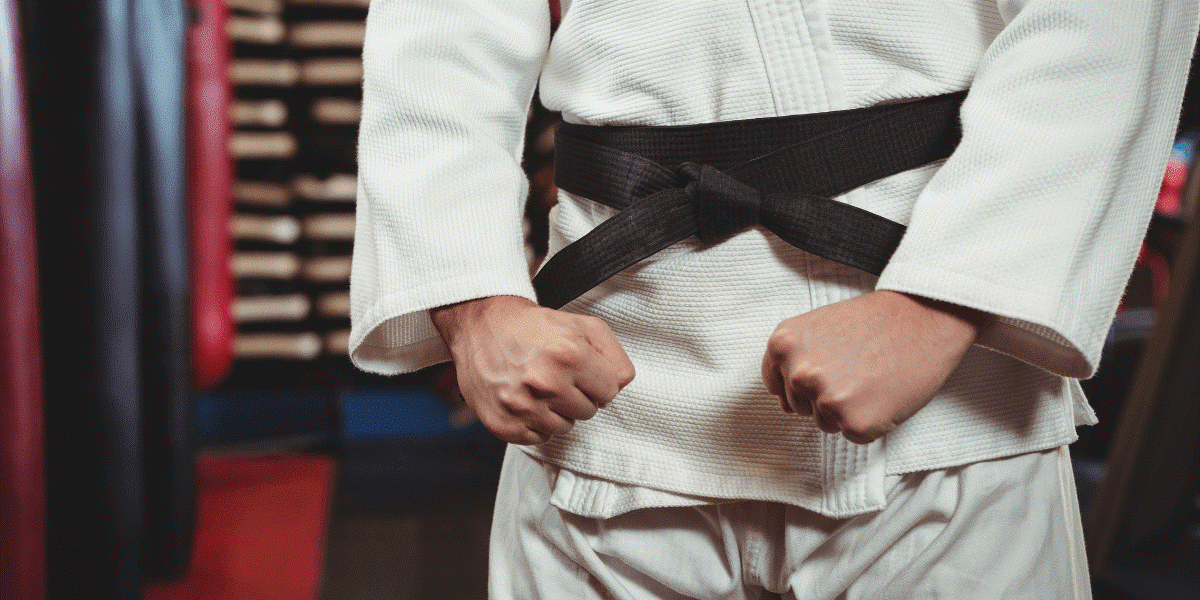
Brazilian Jiu-Jitsu is widely known for having one of the most demanding and time-intensive belt systems in all of martial arts. Unlike some disciplines where dedicated students can earn a black belt in just a few years, BJJ takes most practitioners a decade or more of consistent training to reach that milestone. The journey is long by design. Each belt represents a genuine mastery of technique, timing, and live sparring ability that simply cannot be rushed or faked on the mat. If you are just starting out or somewhere in the middle of your BJJ journey, understanding what goes into earning a black belt can help set realistic expectations and keep you motivated through the years of hard work ahead. Brazilian Jiu-Jitsu Before diving into timelines, it helps to understand the martial art itself. So, what is Brazilian Jiu-Jitsu ? At its core, BJJ is a ground-based martial art and combat sport that focuses on grappling, positional control, and submissions. Unlike striking arts, BJJ teaches practitioners how to neutralize opponents using technique, leverage, and body mechanics rather than brute strength, meaning a smaller person can genuinely defend themselves against a larger attacker. BJJ originates from Japanese Judo and was developed in Brazil by the Gracie family in the early 20th century. Today, it's practiced worldwide as both a self-defense system and a competitive sport, and its effectiveness in mixed martial arts has made it one of the most respected disciplines on the planet. Is Brazilian Jiu-Jitsu Good for Martial Arts Beginners ? This is a question that often comes up, especially among adults just getting started. The short answer is yes, wholeheartedly. BJJ is widely considered one of the most beginner-friendly martial arts because: ● No prior experience needed. Everyone starts at white belt, regardless of athletic background. ● Technique over strength. The learning curve rewards smart training rather than raw physicality. ● Structured progression. The belt system gives beginners clear, measurable milestones to work toward. ● Welcoming community. Most academies foster a culture of mutual growth that makes newcomers feel at home. Beginners should come in with patience and an open mind. The first months can be overwhelming as your body adjusts to new movements. But those who push through that initial discomfort almost universally describe BJJ as one of the most rewarding pursuits of their lives. The discomfort fades; the skills stay. The Rules of Brazilian Jiu-Jitsu Understanding what you're walking into matters. So, what are the rules of Brazilian Jiu-Jitsu in a competitive setting? The goal is to either submit your opponent, forcing them to "tap out", or accumulate more points by the end of the match. Points are awarded for dominant positions: ● Takedown or sweep: 2 points ● Guard pass: 3 points ● Mount or back control: 4 points Submissions include chokes, arm locks, and leg locks. Illegal techniques vary by organization, age group, and belt rank, but strikes and dangerous actions such as slamming are generally prohibited. The BJJ Belt System: A Road Map to Black The adult BJJ belt system has five ranks: white, blue, purple, brown, and black, each representing progress in skill, awareness, and maturity. White Belt (1 to 2 Years) Every practitioner starts here. The focus is on survival, learning not to get submitted and slowly absorbing fundamental positions and escapes. It's humbling by design, and that humility is part of the process. Blue Belt (1 to 3 Years) The first major milestone. Students develop a solid grasp of foundational techniques and start building their own game. Many spend considerable time here as the curriculum deepens significantly. Purple Belt (1 to 3 Years) The intermediate level is where practitioners develop a distinct personal style. Many purple belts begin assisting with instruction and are considered advanced students within their academy. Brown Belt (1 to 2 Years) The final stage before black. Brown belts are refined, polished grapplers with deep knowledge of the art. This phase is largely about refinement and mental preparation for the weight of the black belt rank. Black Belt (The Destination) Reaching this rank reflects advanced technical proficiency, deep experience, and a strong understanding of the art. A BJJ black belt isn't just about technical skill; it's about a deep understanding of the art and the ability to apply and adapt techniques across a wide range of situations. How Long to Get a Black Belt in BJJ: The Honest Answer So, how long to get a black belt in BJJ, really? Based on belt timelines and the habits of most practitioners, the general consensus is clear: It takes 8 to 15 years of consistent training to earn a BJJ black belt. Dedicated practitioners training three to five times weekly may reach the lower end. For most adults balancing jobs and family, 10 to 15 years is typical. BJJ has one of the strictest black belt standards; unlike some arts that award belts in 3-5 years, BJJ views it as a genuine mastery badge. Factors That Affect Your BJJ Black Belt Journey The BJJ black belt journey is rarely a straight line. Several factors can accelerate or slow your progress. Training Frequency and Quality How often you train is the single biggest driver of progression. Someone training four to five times per week will advance far faster than someone training once a week. Quality is just as important as quantity; careful drilling and deliberate practice pay off over time. Instruction and Environment The caliber of your instructor and the culture of your academy significantly shape your development. Experienced, credentialed black belt coaches who prioritize proper technique create an environment where students grow faster and more safely. Competition Experience Competing is not mandatory, but it is a proven accelerant. Tournament pressure exposes gaps that casual training may not reveal, and many instructors factor competition experience into promotion decisions. Athletic Background and Mindset Practitioners in wrestling, Judo, or grappling often advance through early belts faster. However, the most overlooked factor is mental resilience, as the journey includes plateaus, injuries, and self-doubt. Those who show up consistently, especially on the hard days, are the ones who eventually reach black belt. Tips to Progress Faster and Stay the Course There's no shortcut to a black belt, but these habits make a real difference: ● Drill consistently to build muscle memory outside of sparring. ● Study off the mat: Watch instructionals and competition footage. ● Train with varied partners to sharpen both offense and defense. ● Protect your body: Staying injury-free keeps you on the mat. ● Set short-term goals rather than fixating on the distant destination. The most valuable thing BJJ ultimately teaches isn't a choke or a sweep. It's how to keep going when things get hard, and that lesson applies well beyond the mat. That kind of resilience is built one training session at a time, over years, and it's inseparable from what the black belt truly represents. Frequently Asked Questions 1. Can you get a BJJ black belt in less than 8 years? It's possible but uncommon. Exceptional athletes who train intensively and compete heavily have reached the black belt in six to seven years. However, the IBJJF has minimum time requirements at each belt level, so there's a structural floor on how quickly promotion can occur. 2. Does age affect how quickly you earn a BJJ black belt? Age can influence recovery and how quickly you absorb new techniques, but BJJ's emphasis on leverage and technique makes it highly accessible for older practitioners. Many adults in their 30s, 40s, and beyond earn black belts. The timeline may be slightly longer, but the goal is absolutely achievable. 3. What happens after the black belt in BJJ? The black belt is not the end; it's a new beginning. Practitioners continue earning degrees within the black belt rank and can eventually progress to the coral belt and, at the highest levels, the coveted red belt. 4. How important is competing to earn a black belt? Competition isn't universally required, but most instructors strongly encourage it. It provides pressure-tested experience that accelerates learning and gives instructors a clearer picture of a student's readiness for promotion. 5. How long does it take to get a black belt in BJJ ? On average, it takes 10 to 15 years of consistent training to earn a black belt in Brazilian Jiu-Jitsu. This varies depending on how often you train, your natural aptitude, the standards of your gym, and the discretion of your instructor. Some exceptional students have earned it in as little as 8 years, while others take longer. BJJ is widely considered to have one of the most rigorous belt progressions in martial arts, so the timeline reflects a genuine level of mastery rather than just time served. Final Thoughts The path to a black belt in BJJ is long, demanding, and deeply rewarding. If it takes 8 years or 15, the journey transforms you physically, mentally, and personally. The best way to understand if BJJ is the martial art for you is to step onto the mat and experience it firsthand. For those ready to take that first step, there's never been a better time to begin. If you want to enroll in BJJ & Judo classes for adults or are simply curious about whether it is the right fit for you, The Sanctuary BJJ offers structured programs and experienced instruction to guide you every step of the way. Your black belt journey starts with a single class with us!
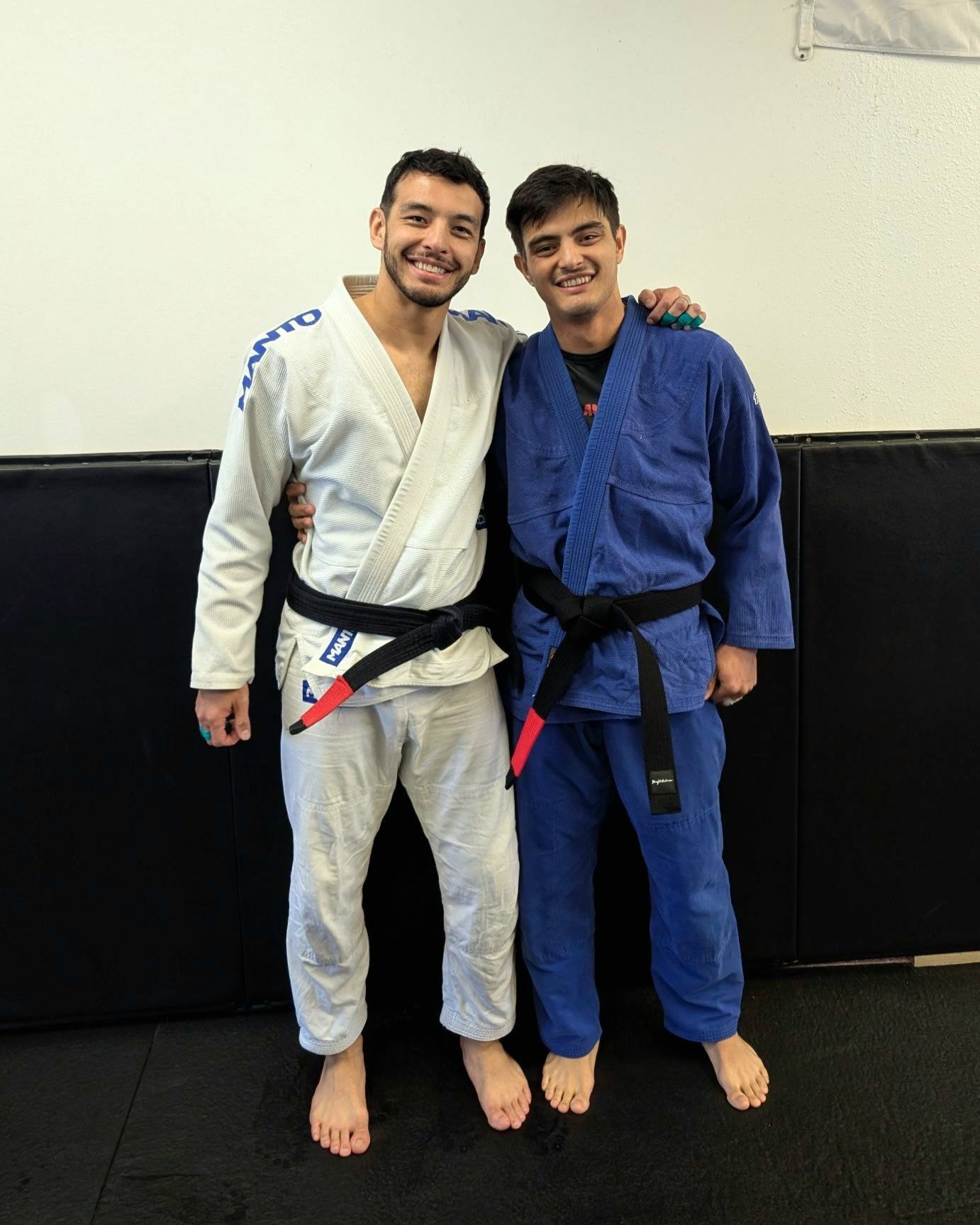
JiuJitsu Training at The Sanctuary Bjj and Fitness in Lakewood, CO
Live Sparring Rounds
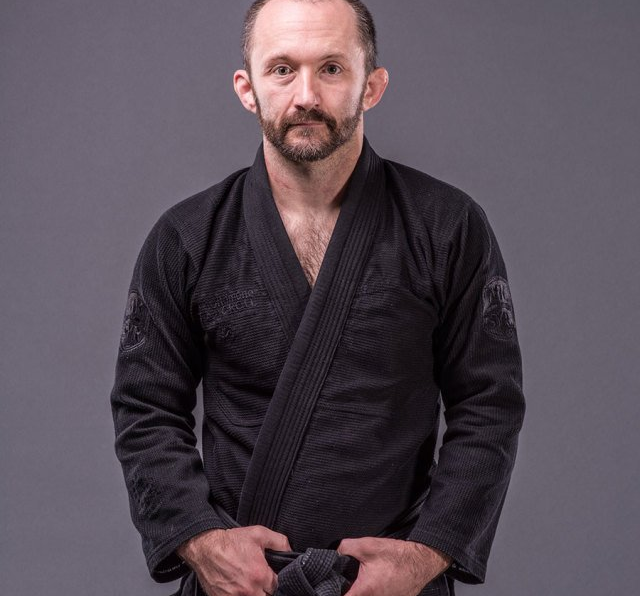
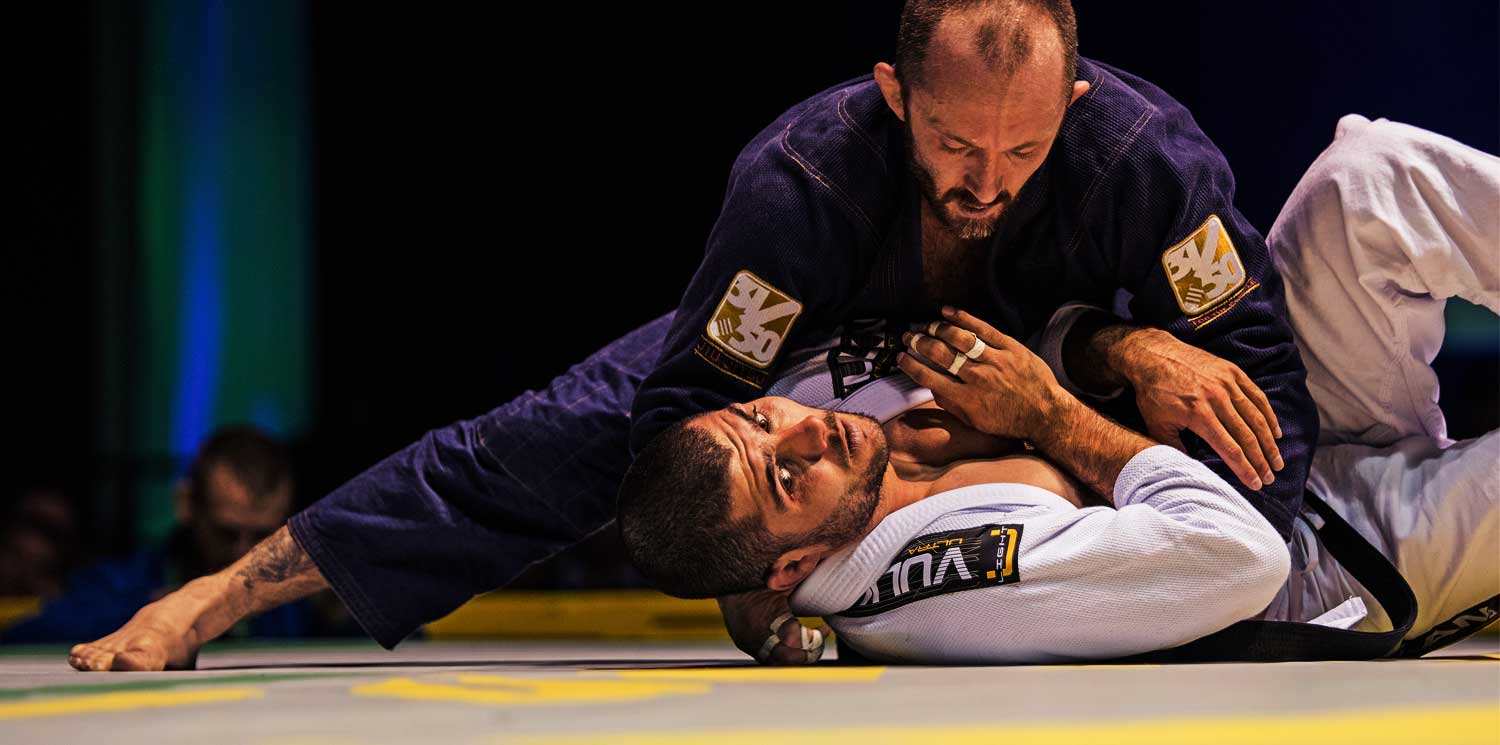
Video of Best sweep for bjj by Ben Lowry at the Sanctuary bjj and Fitness

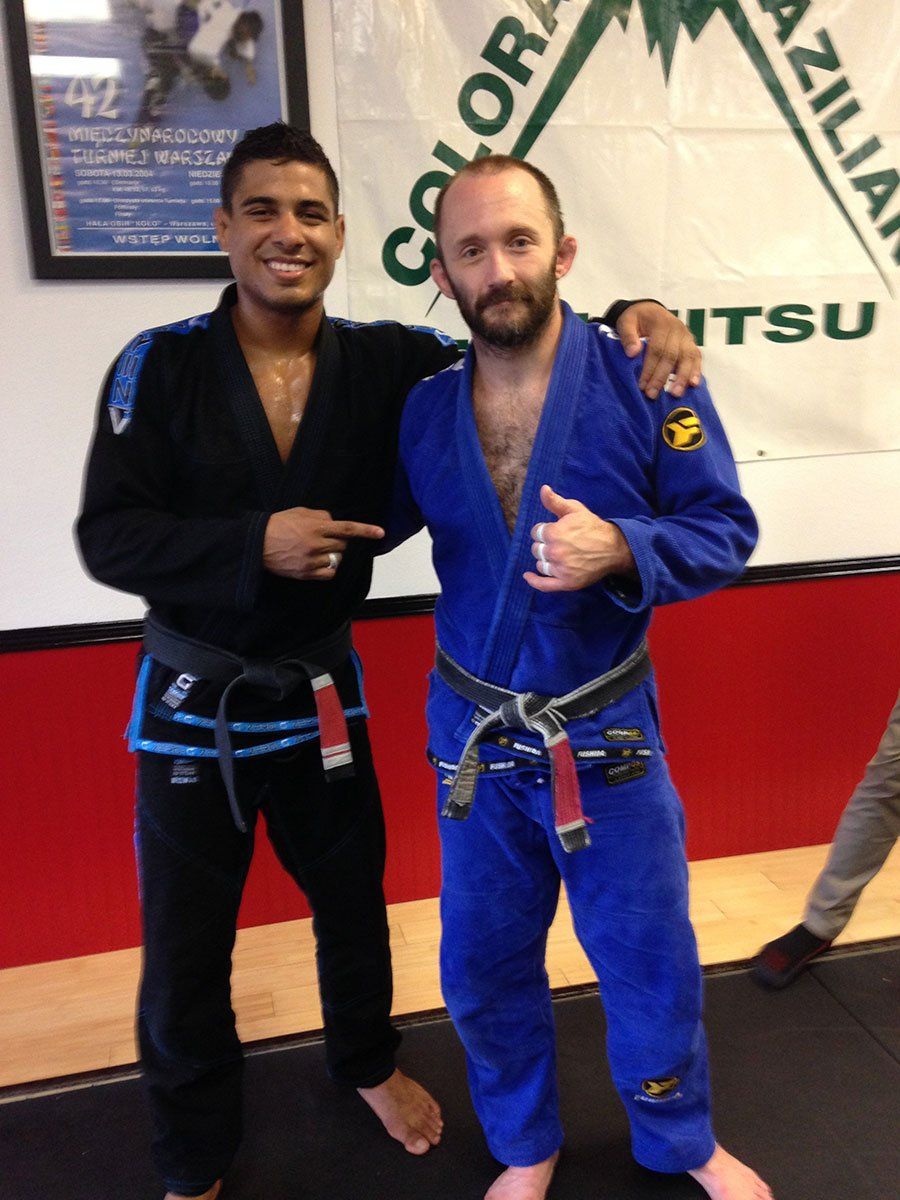
The Sanctuary Bjj and Fitness hosts JT Torres Seminar!!! JT is one of Americas Best grapplers and put on a great seminar!! JT is a very friendly guy and willing to help everyone with their questions!! After ward we all trained and it was fun!!!
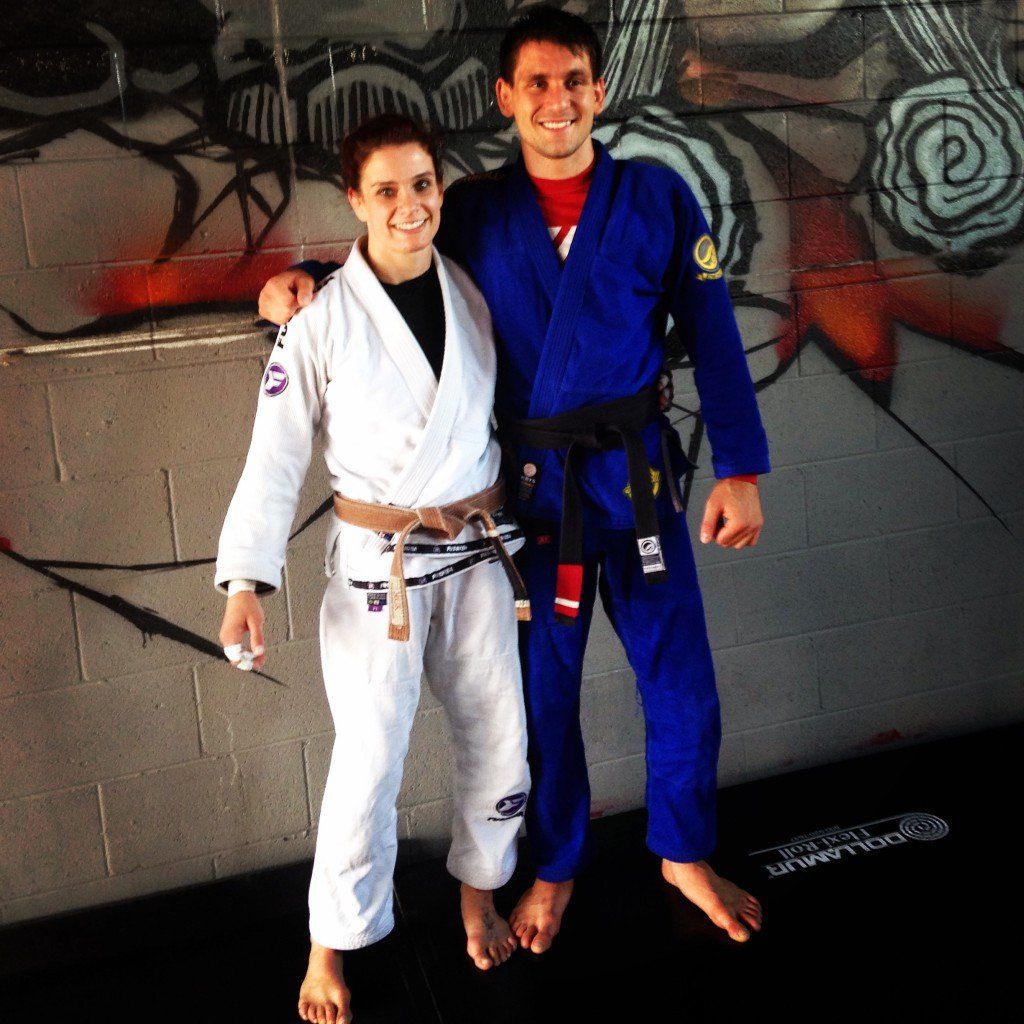
The Sanctuary Bjj Instructors Ben lowry and Charlee Minkin training with 4x World Champion Rafael Mendes!! This seminar was great Rafa is a very nice person and very good teacher!! Training with him was a much different feel you can definitely tell he is on a different level then other black belts!! OSSS
Brazilian Jiu-Jitsu, commonly known as BJJ, is a ground-based martial art and combat sport that focuses on grappling, takedowns, and submission holds. It was developed in Brazil, rooted in the teachings of Japanese Judo and adapted over decades into its own distinct and highly effective system. Today, it is practiced by millions of people around the world, from competitive fighters and military personnel to everyday people looking to get fit, build confidence, and learn practical self-defense. If you have been curious about BJJ but are not sure where to start, this guide covers everything you need to know before stepping onto the mat for the first time. What Is the Philosophy Behind Brazilian Jiu-Jitsu ? The philosophy is straightforward: a smaller, well-trained practitioner can neutralize a larger, stronger opponent through proper leverage and technique. That principle has made BJJ one of the most widely respected martial arts in existence. Unlike striking-based arts such as boxing or Muay Thai, BJJ prioritizes controlling an opponent on the ground and using technique, not brute strength, to apply joint locks or choke holds that force a submission. The Roots of BJJ: Where Did It Come From? BJJ traces back to early 20th-century Japan. Mitsuyo Maeda, a Japanese Judoka and ground-fighting expert, emigrated to Brazil in 1914 and taught his grappling art to Carlos Gracie. The Gracie family, particularly Hélio Gracie, refined the system to emphasize ground fighting, positional control, and submissions, eventually shaping it into what we now call Brazilian Jiu-Jitsu. Today, BJJ is practiced by millions worldwide, from elite MMA fighters to everyday people seeking fitness and personal empowerment. Core Principles That Define BJJ Understanding why BJJ works the way it does can help you appreciate it far more quickly once you start training. These foundational ideas aren't just theoretical; they show up in every class, every drill, and every roll. Technique Over Strength BJJ is often called "the gentle art," and that nickname is intentional. The system was specifically designed so that skilled technique beats raw power. This is why people of all ages, sizes, and fitness levels can train together effectively. Positional Hierarchy In BJJ, not all positions are created equal. There's a clear hierarchy of dominant and inferior positions, and understanding it is key to progressing as a grappler. From most dominant to least: ● Mount: Sitting on top of your opponent's torso ● Back control: Controlling your opponent from behind ● Side control: Controlling from the side of your opponent ● Half guard: One leg trapped between the opponent's legs ● Guard: On your back with legs wrapped around the opponent Submissions: The End Goal A submission is a joint lock or choke that forces your opponent to "tap out," signaling defeat. Common submissions include the rear naked choke, triangle choke, armbar, and kimura. Tapping is not failure; it's how practitioners train safely and live to roll another day. What to Expect From Brazilian Jiu-Jitsu Training Starting any new martial art can feel overwhelming, and Brazilian Jiu-Jitsu training is no different. Most BJJ classes follow a consistent structure that helps beginners feel oriented quickly: Structure of a BJJ Class ● Warm-up: Dynamic stretches and movement drills that build the motor patterns used in live training ● Technique instruction: The instructor demonstrates a position, submission, or escape ● Drilling: Students pair up and repeat the technique cooperatively to build muscle memory ● Positional sparring: Controlled sparring from specific positions to practice what was taught ● Free rolling: Full live sparring where students apply everything they've learned As a beginner, the goal in early classes is simply to absorb concepts, build movement habits, and start understanding the positional vocabulary of BJJ. The Belt System in BJJ The BJJ belt system is among the most rigorous in all martial arts. Progression is earned, not given, and reflects genuine skill development. The adult belt ranks are: ● White: Beginner ● Blue: Foundational knowledge established ● Purple: Intermediate; developing personal game ● Brown: Advanced, near mastery of fundamentals ● Black: Expert level, typically takes 10+ years Each belt contains up to four stripes marking incremental progress before promotion. Dress Code for BJJ Class One of the most common questions new students ask is: “ What should I wear to a BJJ class ?” The answer depends on the type of class you're attending. Gi vs. No-Gi: What's the Difference? BJJ is trained in two main formats: ● Gi (kimono): The traditional jacket, pants, and belt uniform. The gi enables grip-based techniques using the collar and sleeves, slower-paced and considered more technical. ● No-Gi: Shorts and a rash guard or compression shirt. Faster-paced and focused on body control rather than grip-based techniques. For absolute beginners, starting with Gi is often recommended because the slower pace allows more time to understand positions. What to Bring on Day One If you don't yet own a gi, most schools will allow comfortable athletic clothes, compression shorts or spats, and a fitted t-shirt or rash guard. Avoid clothing with zippers, buttons, or pockets that could catch fingers or toes. Once you commit, a quality IBJJF-compliant gi is a worthwhile investment. How Dangerous Is BJJ Compared To Other Martial Arts? The reality is that BJJ carries a favorable safety profile for a combat sport. With no striking involved, the risk of concussions and facial injuries is significantly lower than in boxing or kickboxing. Most injuries are orthopedic, such as joint sprains and muscle strains, similar to wrestling or Judo. How Academies Keep Training Safe Reputable BJJ schools use several protocols to reduce risk: ● Tapping early and often: Students tap before submissions become dangerous, and partners release immediately ● Controlled sparring: Beginners are typically paired with experienced training partners who manage the pace ● Progressive resistance: New students drill before engaging in live sparring ● Coach supervision: Instructors monitor rounds and step in when needed Training with a humble, patient mindset keeps the mat safe for the vast majority of practitioners. Is BJJ Effective for Self-Defense ? Without question, yes, BJJ is effective for self-defense. Self-defense applicability is one of the foundational reasons the Gracie family developed the art in the first place. A significant portion of real-world confrontations end up on the ground, and BJJ specifically prepares practitioners for that reality. Because BJJ training involves resisting live opponents, not just preset drills, techniques are pressure-tested consistently. When you roll, your partner is genuinely trying to submit you. That resistance builds real, usable skills that hold up outside the gym. The Benefits of BJJ: Physical, Mental, and Social Beyond self-defense, BJJ delivers a wide range of benefits that keep people coming back for years. Physical Fitness BJJ is a full-body workout. A single session burns significant calories, builds functional strength, improves cardiovascular endurance, and develops flexibility and coordination. Consistent training produces noticeable physical transformation. Mental Resilience and Community There's a reason BJJ practitioners often describe the mat as their therapy. Learning to stay calm under pressure, solve problems in real time, and embrace being a beginner builds mental toughness that carries into everyday life. Walk into any legitimate BJJ academy, and you'll also feel the community immediately, genuine friendships, mentorships, and bonds formed by people who sweat and struggle together. BJJ for Kids: Building Confidence From a Young Age BJJ isn't just for adults. Youth programs are among the fastest-growing segments of the martial arts world. Kids who train BJJ develop self-discipline, body awareness, focus, and the ability to manage conflict without aggression, all in a structured, supportive environment. Frequently Asked Questions 1. Do I need to be in shape before starting BJJ? No. BJJ training itself will get you in shape. Most academies welcome complete beginners regardless of fitness level, and the physical demands increase naturally as your skill improves. 2. How often should a beginner train BJJ? Two to three times per week is ideal. This frequency allows your body to recover while still giving you enough mat time to absorb and retain new techniques. 3. Will I get hurt on my first day? Injuries can occur during any activity, but a reputable academy greatly reduces that risk. Most beginners get through early classes without injury by tapping early and communicating openly with training partners. 4. How long does it take to get a blue belt in BJJ? Most dedicated students earn their blue belt within one to two years of consistent training, though progression is highly individual and depends on frequency, aptitude, and academy standards. Final Thoughts Brazilian Jiu-Jitsu offers a path that meets you exactly where you are, whether you're a complete beginner or someone who has explored other martial arts. It's technical enough to keep you engaged for a lifetime, practical enough to provide genuine self-defense skills, and community-driven enough to make every class worthwhile. If you're ready to take the first step, The Sanctuary BJJ offers both adult and youth programs to get you started on the right foot. From beginner-friendly adult classes to the best BJJ & Judo classes for kids in Colorado, we offer a welcoming environment for all ages. Contact us for all types of martial arts training in Lakewood!
Brazilian Jiu-Jitsu is widely known for having one of the most demanding and time-intensive belt systems in all of martial arts. Unlike some disciplines where dedicated students can earn a black belt in just a few years, BJJ takes most practitioners a decade or more of consistent training to reach that milestone. The journey is long by design. Each belt represents a genuine mastery of technique, timing, and live sparring ability that simply cannot be rushed or faked on the mat. If you are just starting out or somewhere in the middle of your BJJ journey, understanding what goes into earning a black belt can help set realistic expectations and keep you motivated through the years of hard work ahead. Brazilian Jiu-Jitsu Before diving into timelines, it helps to understand the martial art itself. So, what is Brazilian Jiu-Jitsu ? At its core, BJJ is a ground-based martial art and combat sport that focuses on grappling, positional control, and submissions. Unlike striking arts, BJJ teaches practitioners how to neutralize opponents using technique, leverage, and body mechanics rather than brute strength, meaning a smaller person can genuinely defend themselves against a larger attacker. BJJ originates from Japanese Judo and was developed in Brazil by the Gracie family in the early 20th century. Today, it's practiced worldwide as both a self-defense system and a competitive sport, and its effectiveness in mixed martial arts has made it one of the most respected disciplines on the planet. Is Brazilian Jiu-Jitsu Good for Martial Arts Beginners ? This is a question that often comes up, especially among adults just getting started. The short answer is yes, wholeheartedly. BJJ is widely considered one of the most beginner-friendly martial arts because: ● No prior experience needed. Everyone starts at white belt, regardless of athletic background. ● Technique over strength. The learning curve rewards smart training rather than raw physicality. ● Structured progression. The belt system gives beginners clear, measurable milestones to work toward. ● Welcoming community. Most academies foster a culture of mutual growth that makes newcomers feel at home. Beginners should come in with patience and an open mind. The first months can be overwhelming as your body adjusts to new movements. But those who push through that initial discomfort almost universally describe BJJ as one of the most rewarding pursuits of their lives. The discomfort fades; the skills stay. The Rules of Brazilian Jiu-Jitsu Understanding what you're walking into matters. So, what are the rules of Brazilian Jiu-Jitsu in a competitive setting? The goal is to either submit your opponent, forcing them to "tap out", or accumulate more points by the end of the match. Points are awarded for dominant positions: ● Takedown or sweep: 2 points ● Guard pass: 3 points ● Mount or back control: 4 points Submissions include chokes, arm locks, and leg locks. Illegal techniques vary by organization, age group, and belt rank, but strikes and dangerous actions such as slamming are generally prohibited. The BJJ Belt System: A Road Map to Black The adult BJJ belt system has five ranks: white, blue, purple, brown, and black, each representing progress in skill, awareness, and maturity. White Belt (1 to 2 Years) Every practitioner starts here. The focus is on survival, learning not to get submitted and slowly absorbing fundamental positions and escapes. It's humbling by design, and that humility is part of the process. Blue Belt (1 to 3 Years) The first major milestone. Students develop a solid grasp of foundational techniques and start building their own game. Many spend considerable time here as the curriculum deepens significantly. Purple Belt (1 to 3 Years) The intermediate level is where practitioners develop a distinct personal style. Many purple belts begin assisting with instruction and are considered advanced students within their academy. Brown Belt (1 to 2 Years) The final stage before black. Brown belts are refined, polished grapplers with deep knowledge of the art. This phase is largely about refinement and mental preparation for the weight of the black belt rank. Black Belt (The Destination) Reaching this rank reflects advanced technical proficiency, deep experience, and a strong understanding of the art. A BJJ black belt isn't just about technical skill; it's about a deep understanding of the art and the ability to apply and adapt techniques across a wide range of situations. How Long to Get a Black Belt in BJJ: The Honest Answer So, how long to get a black belt in BJJ, really? Based on belt timelines and the habits of most practitioners, the general consensus is clear: It takes 8 to 15 years of consistent training to earn a BJJ black belt. Dedicated practitioners training three to five times weekly may reach the lower end. For most adults balancing jobs and family, 10 to 15 years is typical. BJJ has one of the strictest black belt standards; unlike some arts that award belts in 3-5 years, BJJ views it as a genuine mastery badge. Factors That Affect Your BJJ Black Belt Journey The BJJ black belt journey is rarely a straight line. Several factors can accelerate or slow your progress. Training Frequency and Quality How often you train is the single biggest driver of progression. Someone training four to five times per week will advance far faster than someone training once a week. Quality is just as important as quantity; careful drilling and deliberate practice pay off over time. Instruction and Environment The caliber of your instructor and the culture of your academy significantly shape your development. Experienced, credentialed black belt coaches who prioritize proper technique create an environment where students grow faster and more safely. Competition Experience Competing is not mandatory, but it is a proven accelerant. Tournament pressure exposes gaps that casual training may not reveal, and many instructors factor competition experience into promotion decisions. Athletic Background and Mindset Practitioners in wrestling, Judo, or grappling often advance through early belts faster. However, the most overlooked factor is mental resilience, as the journey includes plateaus, injuries, and self-doubt. Those who show up consistently, especially on the hard days, are the ones who eventually reach black belt. Tips to Progress Faster and Stay the Course There's no shortcut to a black belt, but these habits make a real difference: ● Drill consistently to build muscle memory outside of sparring. ● Study off the mat: Watch instructionals and competition footage. ● Train with varied partners to sharpen both offense and defense. ● Protect your body: Staying injury-free keeps you on the mat. ● Set short-term goals rather than fixating on the distant destination. The most valuable thing BJJ ultimately teaches isn't a choke or a sweep. It's how to keep going when things get hard, and that lesson applies well beyond the mat. That kind of resilience is built one training session at a time, over years, and it's inseparable from what the black belt truly represents. Frequently Asked Questions 1. Can you get a BJJ black belt in less than 8 years? It's possible but uncommon. Exceptional athletes who train intensively and compete heavily have reached the black belt in six to seven years. However, the IBJJF has minimum time requirements at each belt level, so there's a structural floor on how quickly promotion can occur. 2. Does age affect how quickly you earn a BJJ black belt? Age can influence recovery and how quickly you absorb new techniques, but BJJ's emphasis on leverage and technique makes it highly accessible for older practitioners. Many adults in their 30s, 40s, and beyond earn black belts. The timeline may be slightly longer, but the goal is absolutely achievable. 3. What happens after the black belt in BJJ? The black belt is not the end; it's a new beginning. Practitioners continue earning degrees within the black belt rank and can eventually progress to the coral belt and, at the highest levels, the coveted red belt. 4. How important is competing to earn a black belt? Competition isn't universally required, but most instructors strongly encourage it. It provides pressure-tested experience that accelerates learning and gives instructors a clearer picture of a student's readiness for promotion. 5. How long does it take to get a black belt in BJJ ? On average, it takes 10 to 15 years of consistent training to earn a black belt in Brazilian Jiu-Jitsu. This varies depending on how often you train, your natural aptitude, the standards of your gym, and the discretion of your instructor. Some exceptional students have earned it in as little as 8 years, while others take longer. BJJ is widely considered to have one of the most rigorous belt progressions in martial arts, so the timeline reflects a genuine level of mastery rather than just time served. Final Thoughts The path to a black belt in BJJ is long, demanding, and deeply rewarding. If it takes 8 years or 15, the journey transforms you physically, mentally, and personally. The best way to understand if BJJ is the martial art for you is to step onto the mat and experience it firsthand. For those ready to take that first step, there's never been a better time to begin. If you want to enroll in BJJ & Judo classes for adults or are simply curious about whether it is the right fit for you, The Sanctuary BJJ offers structured programs and experienced instruction to guide you every step of the way. Your black belt journey starts with a single class with us!
JiuJitsu Training at The Sanctuary Bjj and Fitness in Lakewood, CO
Live Sparring Rounds